Blog

  • Netflix’s Pluto Is the Best First Episode You Never Watched


    Most recommendations come with a warning: it gets better later.

    Pluto doesn’t.

    No slow start. No “just stick with it.” Just one episode—one hour—and a complete, emotionally devastating story.

    I’ve fallen for that promise before. With Steins;Gate, I kept waiting for the moment everyone swore would arrive. Maybe it does. But the waiting itself makes the experience heavier.

    Pluto asks for none of that.

    Its first episode is already the payoff.

    And it works because it gives you something the manga never could: sound as emotional proof.


    Buried by the Algorithm

    Pluto was released on October 26, 2023. No real promotion. No homepage push. No Top 10 appearance.

    Critics loved it. Audiences who found it loved it. Most people never even knew it existed.

    You probably missed it because Netflix buried it. But what matters right now is what they buried.


    An Author Reaching Across Mediums

    Naoki Urasawa built his reputation on psychological storytelling. Monster20th Century Boys. Stories about memory, identity, and what people become under pressure.

    Pluto is his reimagining of a classic arc from Astro Boy. Osamu Tezuka is often called the “God of Manga,” and the weight of that legacy was so heavy that Urasawa has spoken about how it affected his health.

    When the anime needed its emotional center—a piano piece that would carry the climax of the first episode—he didn’t just approve the adaptation. He composed the piece the entire episode builds toward himself.

    That’s not a bonus feature. That’s an act of translation. An author reaching across mediums to complete something the page couldn’t hold.


    A Machine Learning to Feel, A Human Trying to Stay Numb

    The first episode begins as a detective story. A robot investigator named Gesicht tracks a killer. It’s gripping. Then, abruptly, it leaves that plot behind and moves to a remote castle in Scotland.

    There lives Paul Duncan. A blind composer. Alone. Consumed by hatred for the mother he believes abandoned him.

    Then North No. 2 arrives—a combat robot haunted by war, trying to leave violence behind. He wants to learn music, because music has nothing to do with war.

    Duncan despises him. If a machine can feel, if it can create beauty, then the hatred he’s built his life around doesn’t hold.

    A machine trying to learn emotion. A human trying to preserve numbness.

    In that castle, the only one who listens is the robot.


    Rage, Revealed as Grief

    Duncan is trying to finish a piece of music. But it isn’t creation. It’s revenge—a way to hurt someone who isn’t there anymore.

    North No. 2 stays. Listens. Learns. And slowly, something shifts.

    The truth surfaces. His mother never abandoned him. When illness took his sight, she was there—holding him, humming a folk song. The memory his hatred was built on wasn’t true.

    This is what Naoki Urasawa does best. A character cracks open. Rage, revealed as grief.

    And the one who uncovers it isn’t a detective. It’s a robot learning to play the piano.


    The Moment the Page Couldn’t Deliver

    Freed from that hatred, Duncan sits at the piano. And he plays.

    In the manga, you’re told this piece matters. You see notes on a page. You read dialogue. But you cannot hear it.

    In the anime, you feel why it matters.

    The music connects everything: the robot who learned to play, the man who composed for the wrong reasons, and the memory of a mother’s voice. Urasawa himself wrote the piece—“Cherished Memories”—later woven into the score by Yuugo Kanno.

    The anime doesn’t just adapt the story. It completes it.

    You’re not told it matters. You feel why it does.


    A Quiet Question

    If you’ve ever held onto a version of the past that hurt you, this story quietly asks what it would take to let it go.

    The rest of Pluto explores this on a larger scale—war, memory, what it means to be human. But the first episode gives you the argument in its purest form.


    One Episode Is Enough

    You don’t have to commit to the whole series. Just watch the first hour. That’s enough.

    If it moves you, the rest will reward you. If it doesn’t, you’ve still seen something complete.

    It’s there. One episode. That’s enough.
  • Maybe The Kite Runner’s Redemption Line Was Never for Amir

    “There is a way to be good again.”

    It’s one of the most remembered lines from The Kite Runner. The moment the story seems to offer something like closure. A path forward. A chance to atone.

    Most readers hear it as a gift… to Amir.

    But look closer at who’s speaking.

    Rahim Khan isn’t just a wise observer arriving at the right moment. He’s a man who knew more than he ever said. Who kept secrets that shaped a childhood. Who stayed silent when it mattered most.

    And years later, he tells just enough truth — and just enough fiction — to set a specific chain of events in motion.

    So what if that line isn’t just guidance?

    What if it’s also something else — a man, near the end of his life, trying to believe that the things he failed to do, and the truths he buried, can still be answered for?

    Because the call does offer Amir a way forward. That part is real.

    But it also reveals something quieter, and more unsettling.

    Rahim Khan isn’t just offering redemption.

    He’s asking for it.


    This Isn’t a Story About Hidden Evil

    It’s about what repeated moral compromise does to a person over a lifetime.


    The Saint We Were Given

    To understand why, you have to start with the version of Rahim Khan the story gives us first.

    The gentle uncle. The one who notices Amir’s writing when no one else does. Who gives him a notebook and tells him it matters. The man who says, “Children aren’t colouring books. You don’t get to fill them with your favourite colours.”

    In a house ruled by silence and expectation, he feels like the only adult who sees clearly. The only one who doesn’t judge.

    He’s not loud. He doesn’t dominate the room. But he’s steady. Kind. Present.

    This is the Rahim Khan we remember.

    And it’s not a lie.

    But it’s not the whole truth either.

    Because underneath that kindness, there’s a quieter pattern. Moments where something should have been said — and wasn’t. Moments where kindness was easier than courage.


    The Original Wound

    That pattern doesn’t start in the alley.

    It starts much earlier.

    Rahim Khan once fell in love with a Hazara woman. And in the world he lived in, that was never going to be allowed. His family forbade it. The relationship ended.

    And Rahim Khan never married.

    The novel doesn’t tell us how hard he fought. It leaves that part quiet. But that silence matters. Because whatever happened, the outcome was the same: he lost.

    And he may have learned something from that loss. That some lines in the world aren’t meant to be crossed. That some truths cost too much.

    So instead — you adjust. You become kinder in small ways. Quieter. More careful. Grief, reshaped into restraint.

    And if that becomes your way of moving through the world, then every difficult moment that comes after — every truth that demands to be spoken — starts to look a little easier to avoid.


    Failure 1: The Secret

    That’s where the pattern begins. And the first place it shows up is in a secret.

    By the time Rahim Khan finally tells Amir the truth, he’s been carrying it for years. That Hassan was Baba’s son.

    We don’t know exactly when he learned. But we know this: he knew. And he kept it.

    He kept it while Amir starved for approval, and while Hassan lived without the truth of who he was. Two boys, shaped by a lie neither of them chose. And an adult who chose to say nothing.

    Maybe he believed it wasn’t his place. But silence has weight. And over time, that weight presses outward.

    Rahim Khan didn’t create the lie. But he helped it endure.


    Failure 2: The Alleyway

    And then there’s the alley.

    A boy is brutalised. Another boy watches, and does nothing. That’s the version we carry.

    But years later, that moment shifts. Because Amir realises something.

    Rahim Khan knew.

    “He knew about Assef, the kite, the money, the watch with the lightning bolt hands.”

    He knew the shape of what happened. And everything that followed. And for years, he said nothing.

    An adult who loved both boys chose to carry that knowledge in silence.

    Not in the moment — we’re never told he was there. But after. When the truth could have been spoken. When the damage might not have hardened into something permanent.

    Amir was a child. Frozen by fear.

    Rahim Khan wasn’t.

    And that difference matters. Because this is where the pattern deepens: not just silence, but sustained silence. The kind that lets guilt settle, lets shame take root, lets a single moment define a life.


    Failure 3: The Tears

    Years later, Rahim Khan finds Hassan.

    A life. A family. A fragile peace.

    And when he asks him to return — Hassan says no.

    Until Rahim Khan breaks. He weeps. Not to persuade, but from something deeper. And Hassan sees it.

    In that moment, refusal becomes difficult. So he says yes.

    And that “yes” leads him back to Kabul.

    Not through force — but through something more human. One person’s need, becoming another person’s risk.


    Failure 4: The House

    Back in Kabul. Back to Baba’s house.

    Rahim Khan stays. And because he stays, Hassan stays.

    But the world has changed. The Taliban are in power. And Rahim Khan knows what that means. A Hazara family, living in a wealthy Pashtun house.

    Still — he doesn’t leave. Because the house is everything he can’t let go of.

    And then the Taliban come.

    They accuse. They threaten. And when Hassan refuses to leave, they shoot him.

    His wife too.

    Their son is taken.

    Rahim Khan didn’t pull the trigger. But the chain of choices that led Hassan back to that house, that kept him there — runs through him.

    This is no longer just silence. This is consequence.


    The Phone Call

    And then the phone rings.

    “There is a way to be good again.”

    By now, it sounds different.

    Because this isn’t just guidance. This is a man who has spent a lifetime choosing silence, now asking someone else to act.

    And the path he offers isn’t entirely true.

    He tells Amir there’s a couple. An American family. Waiting.

    But that couple doesn’t exist. It’s a story.

    Because if Amir knows the full truth, he might say no. And Rahim Khan can’t risk that. Not just for Sohrab — but because he has something at stake himself. A lifetime of silence, demanding an answer.

    If the call were purely for Amir, the truth would have been enough.

    But it isn’t just for Amir. It’s for Rahim Khan too.

    Tears. Silence. And finally — a lie.


    The Man, Not the Villain

    And still — he isn’t a villain.

    He’s kind. He’s shaped by his world. And the call does help Amir.

    The novel doesn’t resolve him into a verdict. It leaves him unsettled. Because he knows. And he suffers.

    There’s a line Rahim Khan himself speaks in the novel: “A man who has no conscience, no goodness, does not suffer.”

    By his own measure, he was suffering terribly. The phone call was what happens when that suffering can no longer stay silent.


    The Line That Stays

    Rahim Khan spends his life choosing what feels bearable. Until it isn’t. Until the consequences have names.

    And at the end of it all, he picks up the phone.

    He still can’t bring himself to offer the full, unvarnished truth. He softens it with a lie about a couple who didn’t exist. But he speaks the line he needs to believe:

    “There is a way to be good again.”

    Not just for Amir. For himself.

    He wasn’t a secret villain. He was a man who confused his own desperate need for forgiveness with generosity — and spent a lifetime choosing the easier moral path, until the path ran out.

    That’s not monstrous. That’s deeply, painfully human.

    And maybe that’s why the line stays with us.

    Because it doesn’t just ask whether Amir can be good again. It asks whether any of us can.


  • Notes from Underground

    Notes from Underground

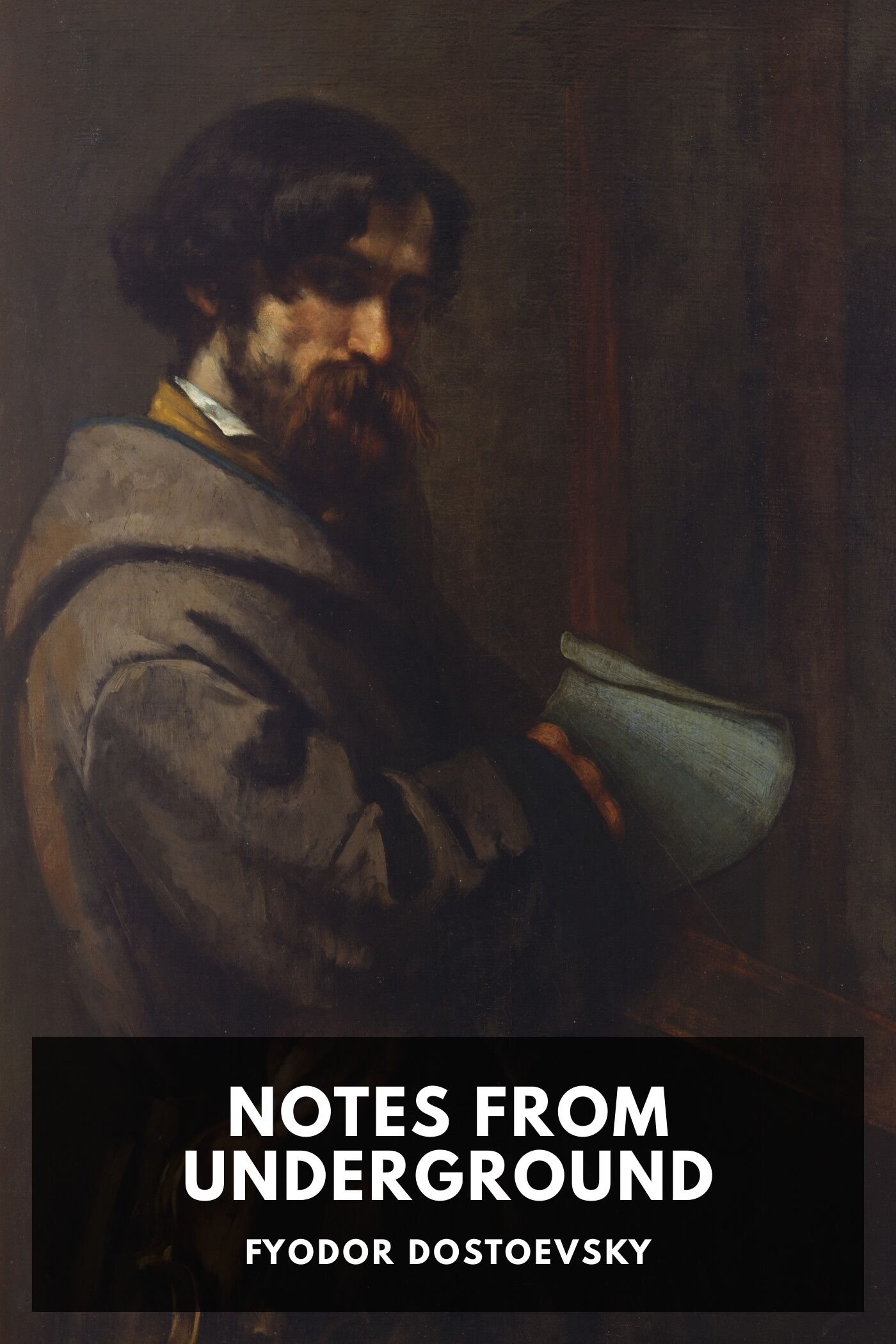
    Notes from Underground by Fyodor Dostoevsky by far has the most intriguing opening lines of any books I’ve read:

    I’m a sick man… Iam a spiteful man. Iam an unattractive man. I believe my liver is diseased.

    Not only does it get your attention right way:, it also gets you turning the pages to learn more about the underground man.

    And Dostoevsky doesn’t disappoint, carrying on the momentum from the opening lines, the later text gives us more of the narrator’s honest confessions.

    In fact, the whole first chapter is the Underground Man’s monologue. He doesn’t believes humans are irrational, in a sense they will always out of their desire and not self-interest.

    And they can’t be made to act otherwise even when provided with reasons and awareness.

    Thus, the very idea of The Crystal Palace utopian is flawed, according to Dostoevsky.

    There’s a lot to unpack here. You will first question the sanity of the Underground Man, then as you come to know him better you might even relate to some of his points. It’s only when you get to the final part of the book that you realize the point Dostoevsky is trying to make with the Underground Man.

    Only through some accounts of narrator’s youth do you get to get him better as he recalls his interactions with others, most notably his schoolmates. In his own words, he is not a Man of Action which is a tragic since he is too critical of himself but can not do anything to improve self.

    All in all, Notes from Underground is a fun read. The first chapter can feel overwhelming, it is full of long run in sentences with references of Russian society of the past. However, the way it is written, it’s hard to put the book once you start the opening lines.

  • Starry Night (Prosopagnosia)

    She got the whole sky,

    Painted in her nails.

    A beautiful shade of blue,

    And sprinkling bright stars.

    It’s the starry night,

    Of her own kind.

    It’s the starry night,

    The kind I like.

    The hypnotic swirl,

    Takes with it, the din.

    Settling down the chaos,

    The one across from,

    And the one within me.

    And then I find myself in a crowd,

    Stumbling, Getting pushed around.

    Still I try my best to get a glimpse

    Of a distancing star that blinks

  • The Lord of the Flies

    The Lord of the Flies

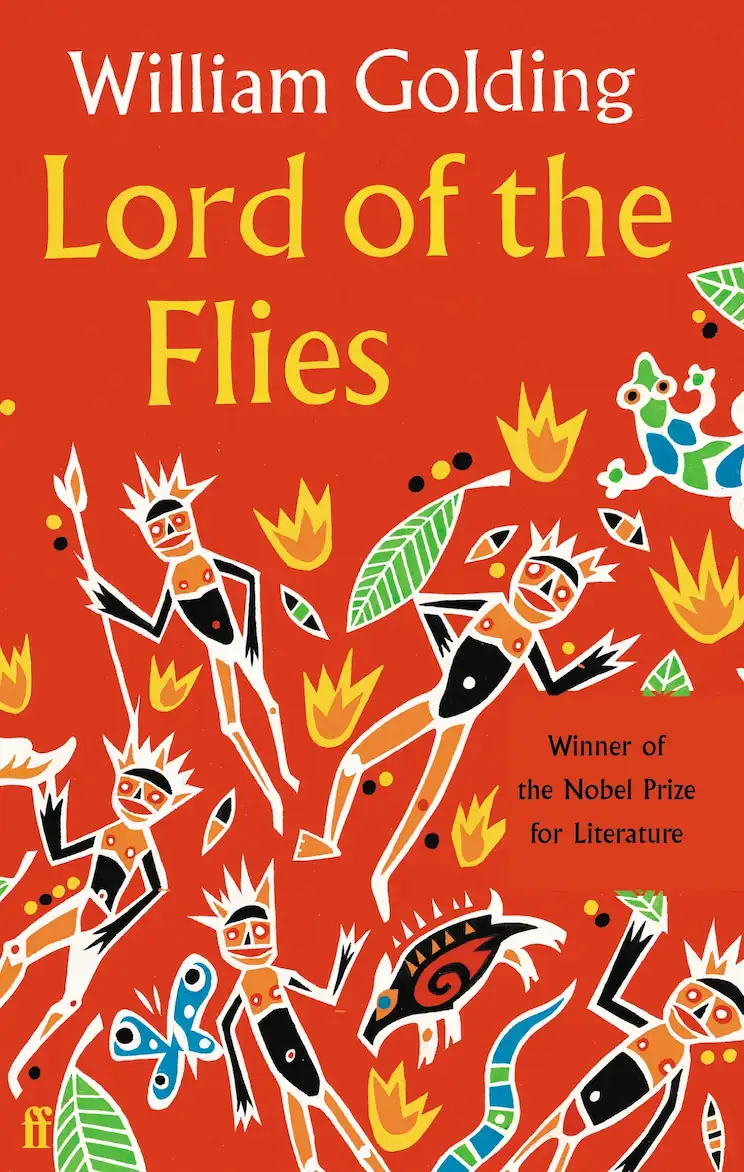
    When I picked up this classic by William Golding from a second-hand bookstore, it was an impulse buy and I had no expectations.

    The premise intrigued me: a group of English boys find themselves stranded on an island after a plane crash. With no adults to supervise them, they must figure out how to survive and, hopefully, be rescued.

    Before diving in, I skimmed through online reviews and found opinions to be quite divided.

    Lord of the Flies is widely regarded as a timeless classic, a novel that has endured for generations. However, Golding’s perspective has been challenged by those who argue that his depiction of human nature is overly pessimistic. They point to real-life survival stories where children have banded together, demonstrating resilience and cooperation rather than descending into chaos.

    But whether children—or humans in general—are inherently savage is not the main point. That’s what I realized by the very end.

    SPOILER ALERT: The boys, at least some of them, get rescued in the end. But when the naval officer arrivies, he’s appaled by the chaos he finds. He expects the English boys to upholad civilization and morality, even in crisis—yet he himself is a participant in the ongoing war. His disappointment in them is laced with irony, proving that so-called “civilized” adults are no different from the children he pities.

    And that’s what Lord of the Flies ultimately is—the perfect counter-story to The Coral Island.

    Golding, disillusioned by the romanticized tales of stranded English boys heroically rebuilding society, decided to challenge that ideal. Drawing upon his World War II experiences and his time as a teacher, he used the boys in Lord of the Flies to expose the inherent fragility of societal order when authority figures are removed.

    Imagine writing a book mocking a growing literary trope, only for your work to become a classic itself.

    As someone new to reading literary fiction, I found Golding’s prose somewhat dense. His descriptive passages, while immersive, sometimes slowed the pacing. The transitions to major events also felt abrupt at times, making it harder to follow the narrative flow.

    That said, the book clearly conveys Golding’s intent—he knows exactly what he wants to say and steers the story toward that message from the start. Lord of the Flies isn’t just a survival story; it’s a critique of human nature, civilization, and the thin line between order and chaos.

    Despite its slower moments, it’s a book that lingers with you long after you’ve turned the final page

  • Hard-boiled Wonderland and the End of the World

    Hard-boiled Wonderland and the End of the World

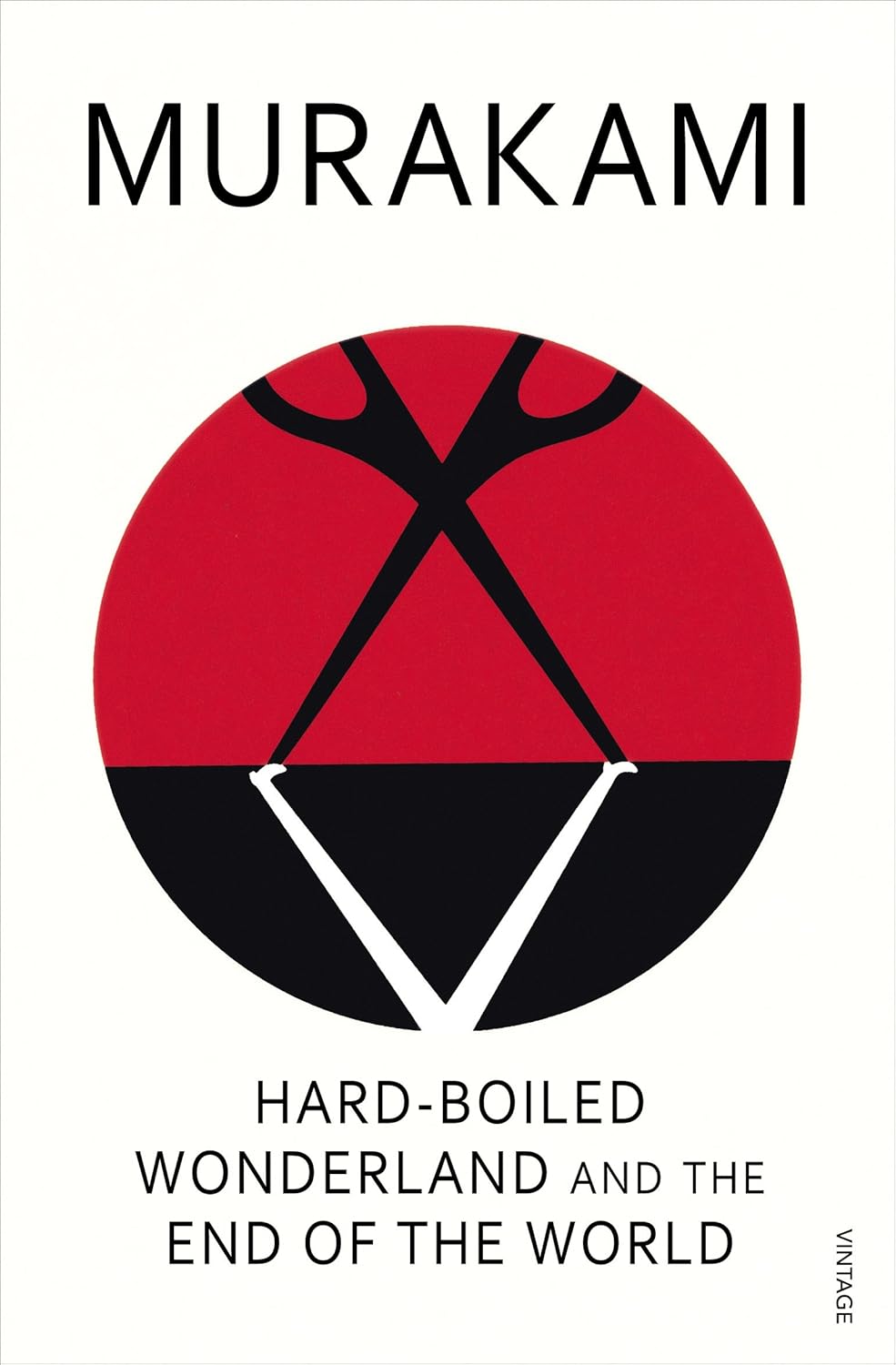
    While most readers are introduced to Haruki Murakami through Kafka on the Shore, I chose to delve into the intriguing world of Hard-Boiled Wonderland and the End of the World first.

    The unique concept of a cyberpunk-style town and a fantasy world existing in parallel and the potential connection between the two is a fascinating departure from the norm.

    The book starts great with the narrator walking up to a secret laboratory of “The Professor” for a mysterious task in the Hard-boiled Wonderland.

    The narrator is a Calcutec who works for the System, safeguarding important data from Semiotecs from the Factory through complex data shuffling and encryption that all takes place in his mind.

    Every other chapter takes you through the magical town referred to as the Town.

    This world is rather simple, populated with beautiful unicorn-like beasts and people without egos and without conflicts, as in the case of the system and factory.

    Everyone in this town is assigned a unique job crucial to the harmony of the town’s elements.

    The only shady character in this fairyland is the Gatekeeper, tasked to strip off shadows of all newcomers.

    The narrator leaves his shadows at the Gatekeeper’s and carries on his new life in the town where he is a dream reader tasked to read old dreams from the fallen beasts.

    Murakami skillfully advances the two stories of The Hard-boiled Wonderland and the End of the World in parallel, leaving hints at certain places to make you wonder if the two contrasting worlds are actually related.

    It is only towards the end of this 1200-word novel that he genuinely answers the question.

    Hard-boiled Wonderland and the End of the World’s ending is both tragic and hopeful, depending on how you interpret it. Throughout the book, the main character goes through a lot of things. However, noone of them is the direct cause of his decisions and aspirations. He is put into different scenarios, even life-threatening, without consultation by people completely strangers to him.

    However, in the very last few pages of the book, the narrator truly trusts himself to make a decision concerning his life. He decides against returning to his normal for the prospect of a life with his new-found love, even when all logics point to a future unveiling in a completely different path.